👉 Haz clic aquí para leer este artículo en español. 🇪🇸
The New Immigration Law of May 20, 2025: What It Means for Language Assistants and Language Students
A new immigration law came into force on May 20, 2025, which, although presented as a measure to support immigrants in Spain, has negative consequences for language assistants and language students, making it more difficult for them to continue living and working in Spain after their study programs end.
What Does the New Law Say?
Article 190 outlines the categories of students eligible to transition from a student visa to a work permit.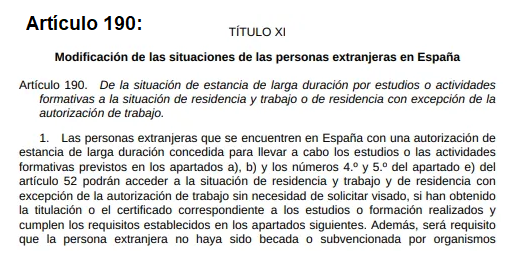
However, Article 52, section e specifically excludes language assistants and language students from being eligible.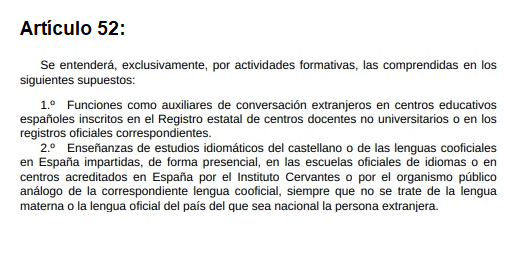
This means that language assistants and students studying languages (usually Spanish) are no longer allowed to switch to a work visa once their studies end.
Previous Law Allowed It
Under the previous version of the law, any foreigner residing in Spain with a valid study visa could apply to switch to a work permit (either employed or self-employed) as long as they met the requirements.
Now this path is no longer available for language assistants and language students.
You can find the full law and updates here:
🔗 Spanish Inmigration Law- Full Text
How Does the New Law Affect Language Assistants and Language Students?
• They cannot convert their student visa into a residence and work permit anymore.
• Since there’s no general law in Spain allowing companies to directly sponsor foreign workers for jobs such as teaching English job or any other type of position, students will need to enroll in other types of studies if they wish to remain in Spain and eventually apply for a work permit.
What Has Changed for Language Students and Language Assistants in Spain?
Until now, foreigners in Spain with a student visa — including language assistants and those studying Spanish — could apply to switch to an initial work permit once their studies were completed.
Under the new law, this is no longer an option for:
• Language Assistants
• Language Students (e.g., Spanish courses)
However, those enrolled in university degrees or official training programs may still receive «work authorization» directly on their residency card and can apply for a work permit after completing their studies.
Can Language Assistants and Language Students Work in Spain?
Yes, but with limitations.
Language assistants and language students can continue working up to 30 hours per week.
Initially, their residence cards (TIEs) do not include work authorization, but an employer can request it. This process usually takes 3 months to be approved.
This part has not changed with the new law.
You can check the progress of immigration applications in Madrid here:
🔗 Extranjería Madrid – Processing Times
Can Language Assistants Switch to a Work Visa?
Until now, language assistants were able to transition from a student visa to a work visa after finishing their program.
Under the new law, this option has been eliminated.
They will not be able to convert their student visa into a residence and work permit.
However, university students or those in officially recognized training programs will still receive work authorization and can apply for a work visa later.
How Can Language Assistants and Language Students Stay in Spain After Finishing Their Program?
Here are some recommended options:
• Enroll in official training programs or university courses that allow work authorization and can later be converted into a work permit.
• Explore programs such as those offered by TTMadrid, Spanish universities, or official education institutions.
If you’re affected by these changes, we recommend seeking legal advice or speaking with a qualified immigration consultant to explore the best path forward.