Common Idioms: Sports
Duration: 8-10 minutes
Level: int +
Language Focus: Idioms
Objective: Learning new colloquial expressions
There are many common expressions with sports in English. Below you will find five idioms that we use very frequently.
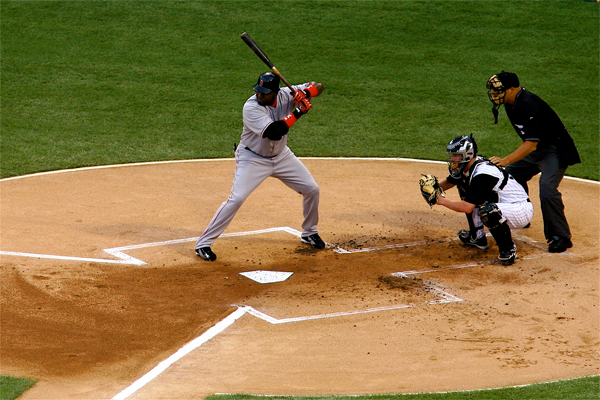
1. To touch base with someone
What sport do you think that comes from? If you guessed baseball, you’re right!
What do you think that means?
Look at the examples:
I haven’t seen Chris in ages! When he comes to town for Christmas, it’ll be really nice to touch base with him.
Before you sign off on the project, you should touch base with your boss first.
✅ That’s right! To touch base with someone means to reconnect with them or to contact them briefly.

2. The ball is in your court
What sport do you think that comes from? If you guessed tennis, you’re right!
What do you think that means?
Look at the example:
I told my boss that I wanted a promotion and why I should get more money. The ball is in his court now. It’s his decision.
✅ That’s right! If the ball is in your court, it means it’s your turn to take action or make a decision.

3. To set one’s sights on something
What sport do you think that comes from? It could refer to archery, darts, or even track & field.
What do you think that means?
Look at the example:
She’s got her sights set on becoming a teacher. It has been her goal since she was a child. She’s very determined.
✅ That’s right! To have your sights set on something means to have a specific goal or objective.
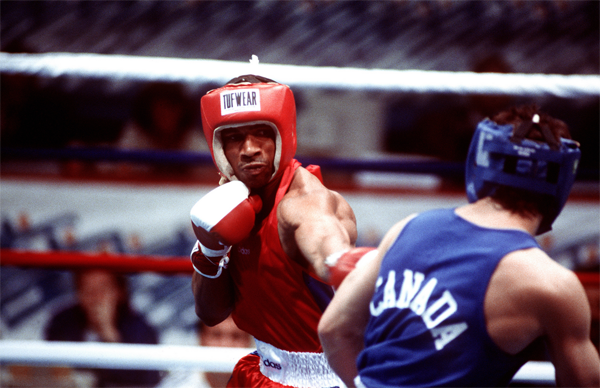
4. To not pull any punches
What sport do you think that comes from? If you guessed boxing, you’re right!
What do you think that means?
Look at the example:
Robert is very direct and he says exactly what he thinks. He doesn’t pull any punches.
✅ That’s right! If a person doesn’t pull any punches, it means they speak their mind directly. They don’t censor themselves and aren’t worried about what others think. This can be both positive and negative.
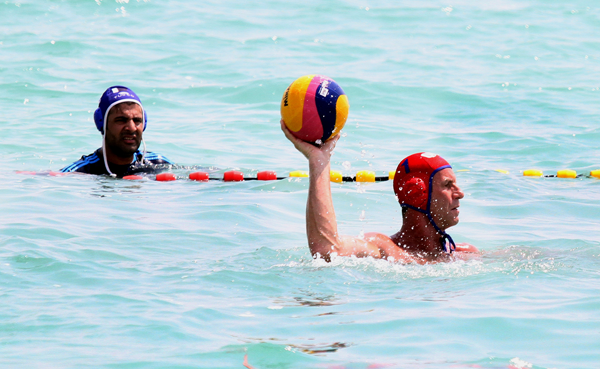
5. To keep one’s head above water
What sport do you think that comes from? If you guessed swimming or water polo, you’re right!
What do you think that means?
Look at the example:
After I lost my job, it was really hard to keep my head above water. I could pay my rent and my groceries, but nothing else!
✅ That’s right! To keep one’s head above water means to barely survive a difficult situation, usually related to money.
Did you learn anything new?
Do you have similar idioms in your language?